

A Comprehensive Guide to Bearing Types: 11 Major Categories Explained in One Article
Every working machine has one thing in common: it relies on bearings to achieve smooth movement. From skateboard wheels to jet engine turbine shafts, bearings allow one component to rotate or slide relative to another while minimizing friction and distributing loads appropriately.
However, most people cannot name more than two types of bearings; even engineers sometimes rely on rules of thumb for selection rather than a true understanding of the differences between various options. This article aims to systematically organize this knowledge. Whether you are a reader interested in mechanics, a student, or a professional engineer who needs to review the basics, after reading this article you will have a clear and solid understanding of the structure, principles, and applicable scenarios of various bearings.
Key points
Bearings reduce friction through either rolling contact (balls or rollers) or sliding contact (lubricating oil film).
Deep groove ball bearings are the most produced rolling bearings in the world.
For the same dimensions, roller bearings have a significantly higher load-carrying capacity than ball bearings because line contact replaces point contact.
The bearing service life follows the L10 life formula in ISO 281:2007 : the life of ball bearings is inversely proportional to the cube of the load, while the life of roller bearings is inversely proportional to the 10/3 power of the load.
What is a bearing?
A bearing is a mechanical component used to constrain the relative motion between two parts, ensuring that it moves only in the desired direction (usually rotational or linear motion), while reducing friction and bearing mechanical loads. The world's first ball bearing patent dates back to 1869 (Jules Suriray's patent for a bicycle hub), and modern bearing terminology is standardized in the ISO 5593 standard (Glossary of Rolling Bearings).
Bearings achieve this function through one of the following two basic mechanisms:
Rolling contact: A ball or roller is placed between moving surfaces, replacing sliding friction with extremely low rolling friction.
Sliding contact: The lubricating film separates the moving parts, preventing them from directly wearing each other during sliding.
All bearings in the world are variations or combinations of these two basic principles.
What are the main types of bearings?
Industry manuals typically classify bearings based on three dimensions: contact mechanism (rolling or sliding), load direction (radial, axial, or combined load), and rolling element geometry (ball, cylindrical, tapered, spherical, or needle roller). According to ISO 5593 , the 11 functional categories listed below essentially cover all bearings used in today's industrial applications.
1. Ball bearing
Ball bearings are the most produced type of rolling bearing globally. According to ISO 15 (Dimensions of rolling bearings, radial bearings) standard, a standard deep groove ball bearing consists of an inner ring, an outer ring, a set of hardened steel balls, and a cage. The cage's function is to ensure even distribution of the steel balls. When a load is applied, the steel balls roll between the inner and outer rings, transmitting force through point contact.
Working principle: Since the contact between the ball and the plane is theoretically a point, the rolling resistance is extremely low. This makes ball bearings perform excellently in applications requiring high speeds and moderate loads.
Main subtypes:
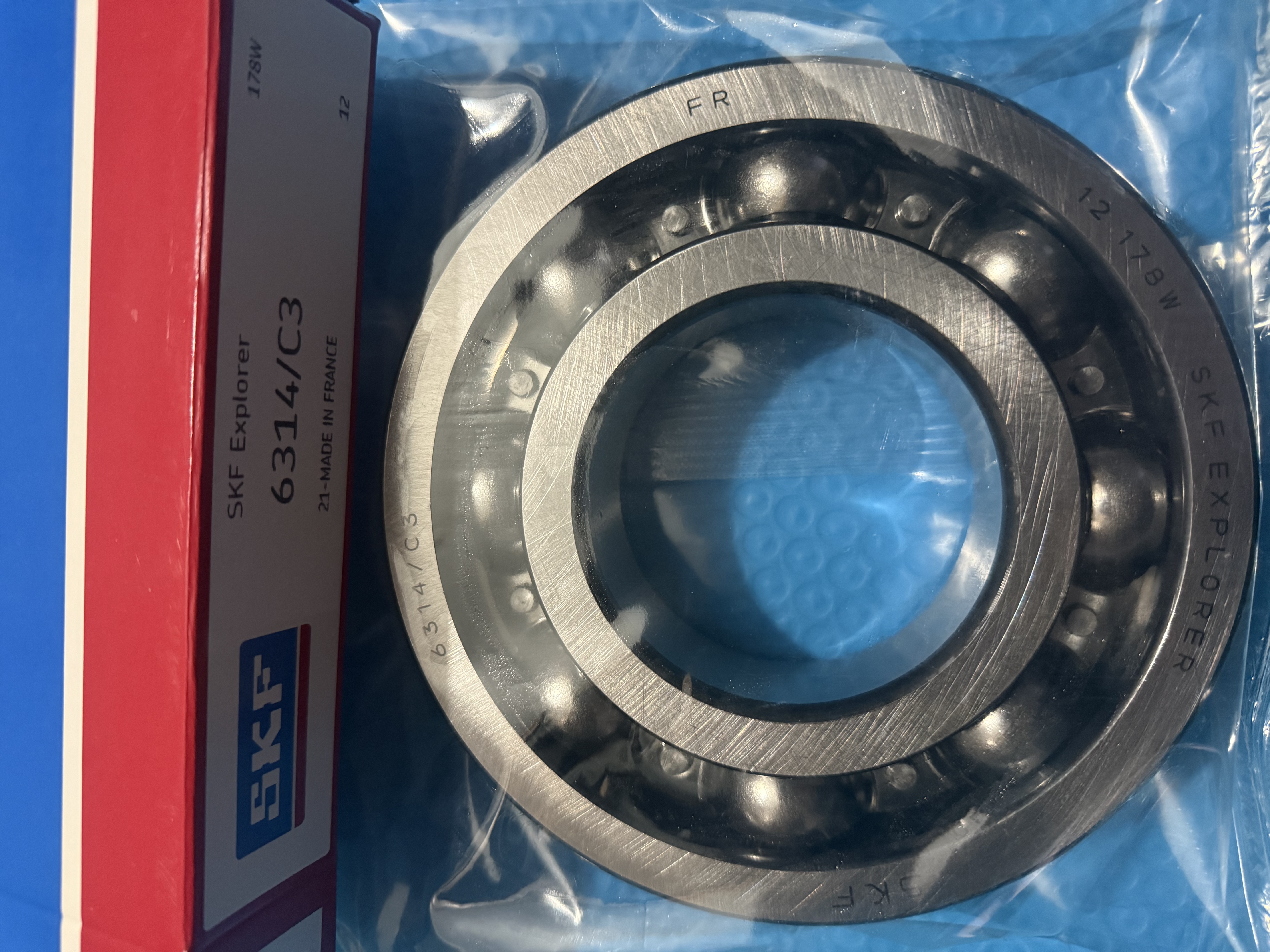
Deep groove ball bearings : the most produced and widely used type of bearing in the world. The raceway is deeper than the diameter of the steel balls, thus it can withstand both radial loads (perpendicular to the shaft) and a certain amount of axial (thrust) loads. They are widely used in electric motors, gearboxes, pumps, and household appliances.
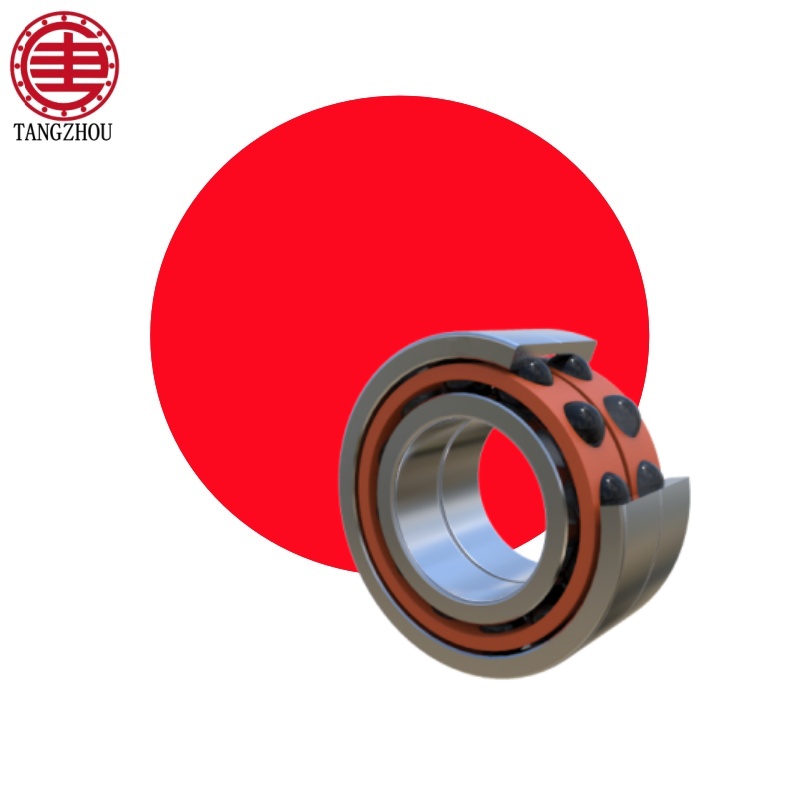
Angular contact ball bearings : The inner and outer rings are offset, allowing loads to be transmitted at a specific contact angle. According to product catalogs from major manufacturers such as SKF, NSK, and Schaeffler, standard contact angles are 15°, 25°, and 40° . This geometry efficiently withstands combined radial and axial loads. They are commonly used in machine tool spindles, high-speed pumps, and automotive wheel hubs (typically employing double-row angular contact ball bearing units).
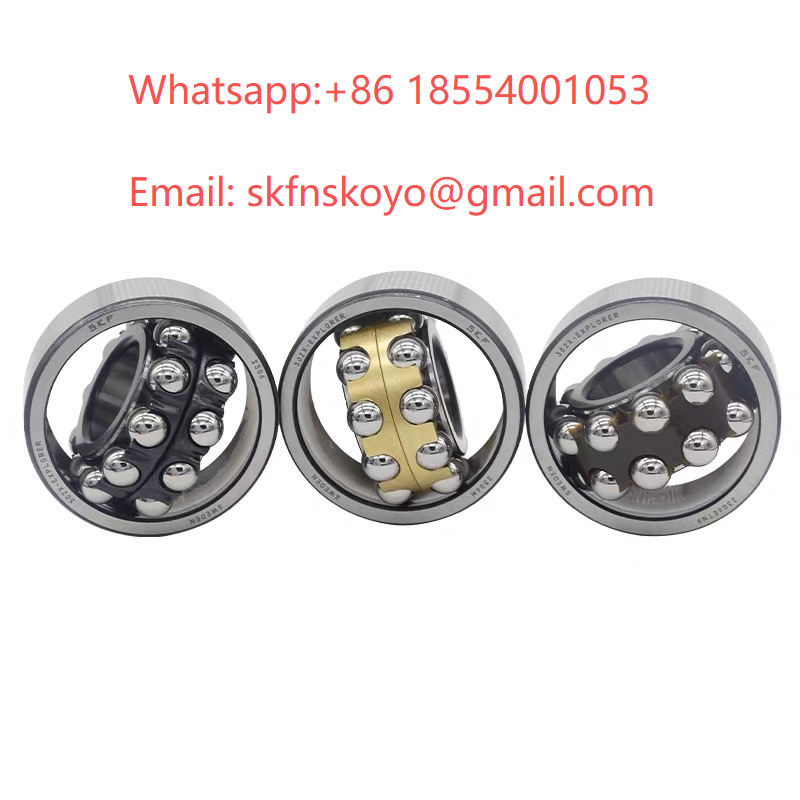
Self-aligning ball bearings : The outer ring raceway is spherical, allowing the inner ring to tilt relative to the outer ring, thus compensating for shaft deflection or misalignment. Commonly used in agricultural machinery, conveyors, and textile equipment.
Thrust ball bearings : specifically designed to withstand axial loads, but not radial loads. Used in automotive clutch release mechanisms and as thrust supports for vertical pumps.
Limitations: Due to the point contact characteristics, ball bearings have a relatively limited load-carrying capacity. Under heavy load conditions, contact stress may lead to premature raceway fatigue.
2. Roller bearings
Ball bearings use balls as rolling elements, while roller bearings use cylindrical, tapered, or drum-shaped rolling elements. The key difference lies in the contact geometry: the contact between the roller and the raceway is line contact rather than point contact. Line contact distributes the load over a larger area, so for the same dimensions, roller bearings typically carry 1.5 to 3 times the dynamic load capacity of ball bearings (based on basic dynamic load ratings published in the catalogs of manufacturers such as SKF, NSK, and FAG/Schaeffler).
Main subtypes:
Cylindrical roller bearings : The rolling elements are parallel cylinders. They can withstand extremely high radial loads, but generally cannot withstand axial loads (unless flanges are added). Used in large electric motors, rolling mills, and railway axles.
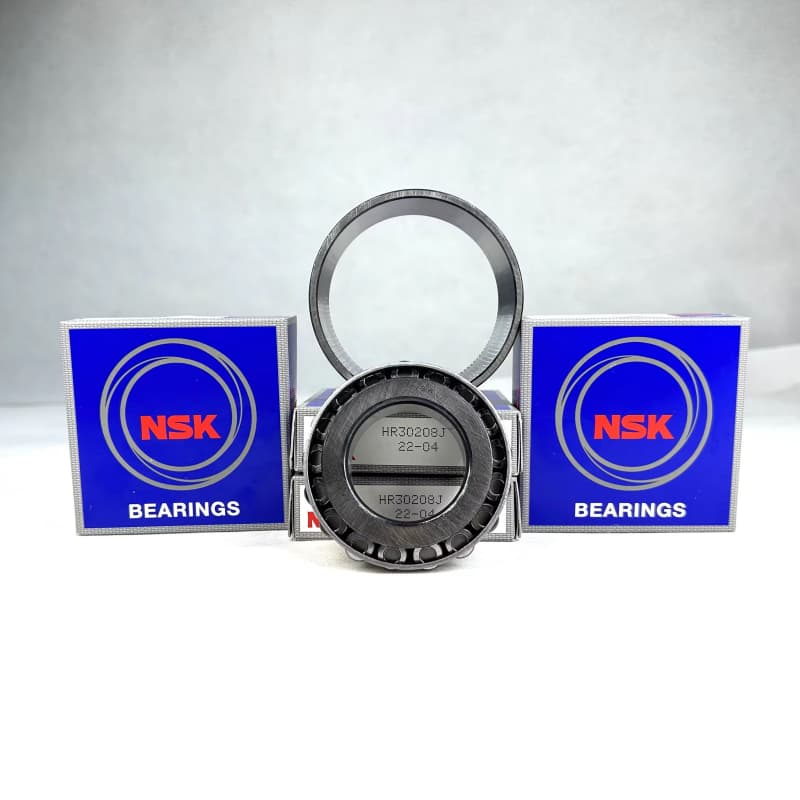
Tapered roller bearings : Both the rollers and raceways are tapered. This geometry allows the bearing to withstand large radial loads and unidirectional axial loads simultaneously. It is one of the most important bearing types in automotive engineering, widely used in vehicle wheel hubs, differential housings, and transmissions. During installation, they must be arranged in pairs to withstand bidirectional thrust; common arrangements include back-to-back (O-type) and face-to-face (X-type) to accommodate different torque loads and alignment conditions.
Self-aligning roller bearings : Drum-shaped rollers are mounted in the raceways of the spherical outer ring. Similar to self-aligning ball bearings, they can accommodate significant shaft misalignment or deflection, but their load-carrying capacity is much higher. They are commonly found in mining equipment, papermaking machines, and heavy industrial gearboxes.
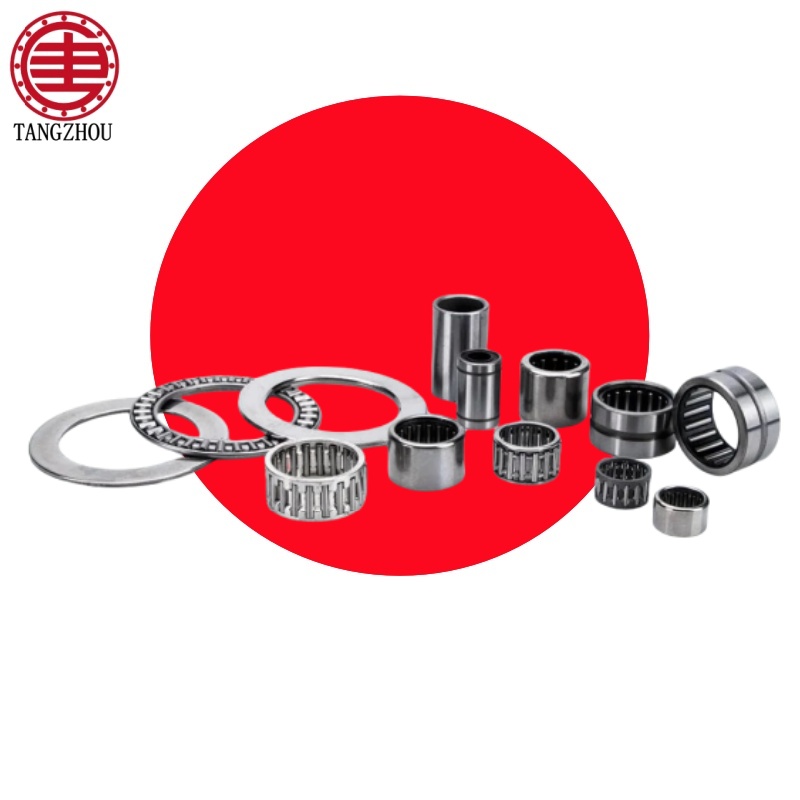
Needle roller bearings : The rollers are extremely slender, and according to ISO 5593 , the length-to-diameter ratio must be greater than or equal to 4:1 . Their small cross-sectional dimensions make them ideal for applications with limited radial space. They are commonly used in automotive rocker arms, two-stroke engine connecting rods, and universal joints.
Circular roller bearings: a modern bearing design that combines the misalignment adaptability of self-aligning roller bearings with the ability to allow axial displacement without generating axial force. Used in papermaking machines and certain industrial transmission systems.
3. Linear bearings
Linear bearings are used to support and guide the precise directional reciprocating motion of shafts along their axial direction, extending the rolling or sliding principle of rotary bearings to the realm of linear motion. They are indispensable fundamental components in automated equipment and precision instruments.
Main subtypes:
Ball linear bearings: Internally, a circulating ball structure allows steel balls to roll within a closed track. According to THK's general catalog, their coefficient of friction is approximately 0.002~0.003 , comparable to rolling bearings under the same load. They are widely used in 3D printers, CNC machine tools, semiconductor packaging equipment, and various automated slides.
Sliding linear bearings: These bearings use self-lubricating bushings (such as sintered bronze or PTFE composite materials) that directly mate with the shaft. They have a more compact structure, no rolling elements, quiet operation, and strong resistance to contamination. They are suitable for reciprocating mechanisms with medium loads and medium precision, such as guideways in packaging machinery and medical equipment.
The biggest difference between linear bearings and rotary bearings lies in their motion: linear bearings bear radial loads perpendicular to the direction of motion, but allow free axial sliding. When selecting a linear bearing, stroke length, guiding accuracy, and bending moment resistance must be considered simultaneously.
4. Sliding bearings (sleeve bearings/radial sliding bearings)
A sliding bearing has no rolling elements. It operates through sliding contact between two surfaces, typically with the shaft rotating within a bushing or sleeve. The clearance between the shaft and the bearing is maintained by a lubricating film, which can be formed in the following ways:
Hydrodynamic lubrication: The rotating shaft itself generates a wedge-shaped pressure zone in the oil film, lifting and supporting the shaft within the bore. When the rotational speed is sufficient, metal-to-metal contact will not occur. Large engine crankshaft bearings and industrial turbine bearings are based on this principle.
Hydrostatic lubrication: Pressurized fluid is supplied to the bearing clearance by an external pump, enabling full film separation even at zero speed. Used in precision machine tools and large astronomical telescope supports.
Boundary/mixed lubrication: The lubricating film is thin or incomplete, and intermittent metal-to-metal contact occurs. It relies on high-viscosity lubricants and surface hardness to mitigate wear.
Advantages: Sliding bearings have a simple and compact structure, operate quietly, and can withstand extremely high loads under good lubrication conditions. Diesel engine crankshafts use sliding bearings because no rolling bearing can withstand the impact loads they carry.
Limitations: Sliding bearings require strict lubrication management. Wear accelerates dramatically once the lubricating film is damaged due to insufficient oil supply, contamination, or excessive temperature. Hydrodynamic sliding bearings require a minimum shaft speed to form a complete oil film separation; at extremely low speeds or under frequent start-stop conditions, boundary contact occurs, and wear is most severe during the transition phase. This limitation only applies to hydrodynamic operating modes; in contrast, hydrostatic bearings achieve full film separation at zero speed, therefore, hydrostatic solutions are preferable for frequent start-stop conditions.
Commonly used materials: tin-based Babbitt metal , bronze, sintered bronze (self-lubricating), PTFE composite materials, and engineering plastics.
5. Thrust bearing (a bearing specifically designed to withstand axial loads)
The definition of a thrust bearing lies not in its contact mechanism, but in its load direction: it is specifically designed to bear axial (thrust) loads , that is, forces acting along the axial direction. Structurally, thrust bearings are essentially variations of ball bearings, roller bearings, or sliding bearings designed to bear purely axial (or predominantly axial) loads.
Thrust ball bearings: Suitable for light axial loads and medium speeds. Used in swivel bar stools, swivel trays, and automotive steering columns.
Tapered roller thrust bearings: have higher load-bearing capacity and are used in heavy-duty gearboxes and axles.
Tilting pad thrust bearings: a precision variant of sliding bearings. Segmented pads dynamically tilt under load to generate a hydrodynamic oil film. Used in marine propulsion systems, large compressors, and hydroelectric generators, where axial loads can reach millions of Newtons (a Kingsbury thrust bearing in a hydroelectric generator typically needs to support a rotating mass of 100 to 500 tons, equivalent to a static thrust of approximately 1 to 5 MN).
Most radial bearings can withstand a certain amount of axial force, but when the axial force is dominant or very large, the aforementioned special thrust bearings must be used.
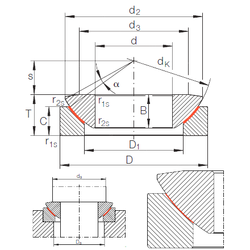
6. Spherical plain bearing
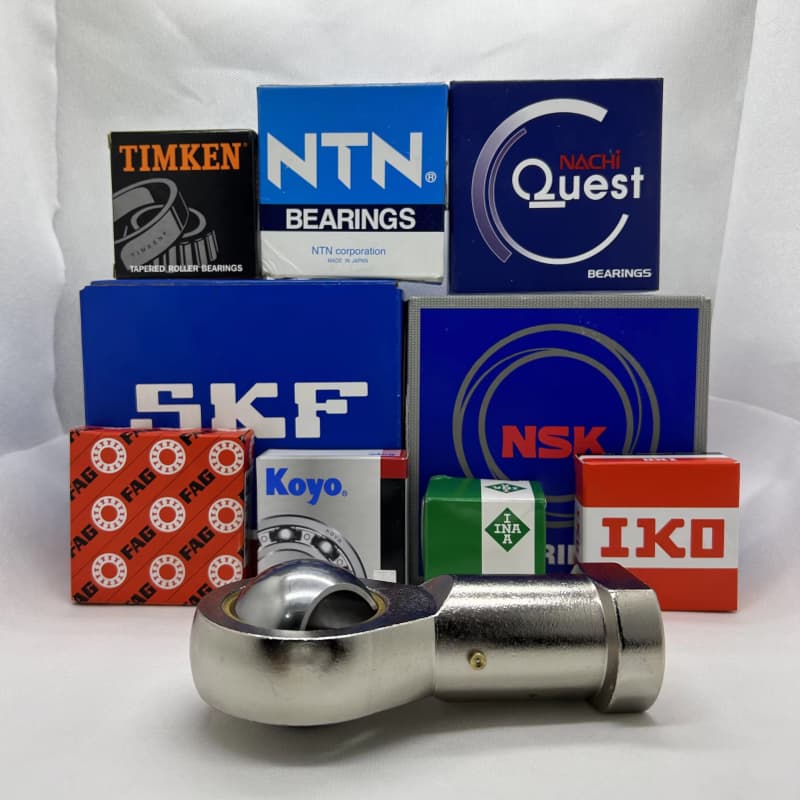
A spherical plain bearing is a type of sliding bearing specifically designed to withstand oscillating motion and angular misalignment. Its core structure is an inner ring with a spherical outer surface, mounted inside the outer ring. It can tilt at a certain angle in any direction to compensate for installation errors, shaft deflection, and structural deformation.
Working principle: The spherical surface of the inner ring slides within the outer ring, allowing for angular alignment, but is not suitable for continuous high-speed rotation. Most spherical plain bearings use self-lubricating liners (such as PTFE fabric) or require periodic grease replenishment.
Typical applications include: rod end joints in hydraulic cylinders, linkage mechanisms in engineering machinery, hinge points on aircraft control surfaces, and any application requiring low-frequency oscillation and angle compensation. It is a critical interface connecting structural and moving parts.
7. Bearings made of special materials
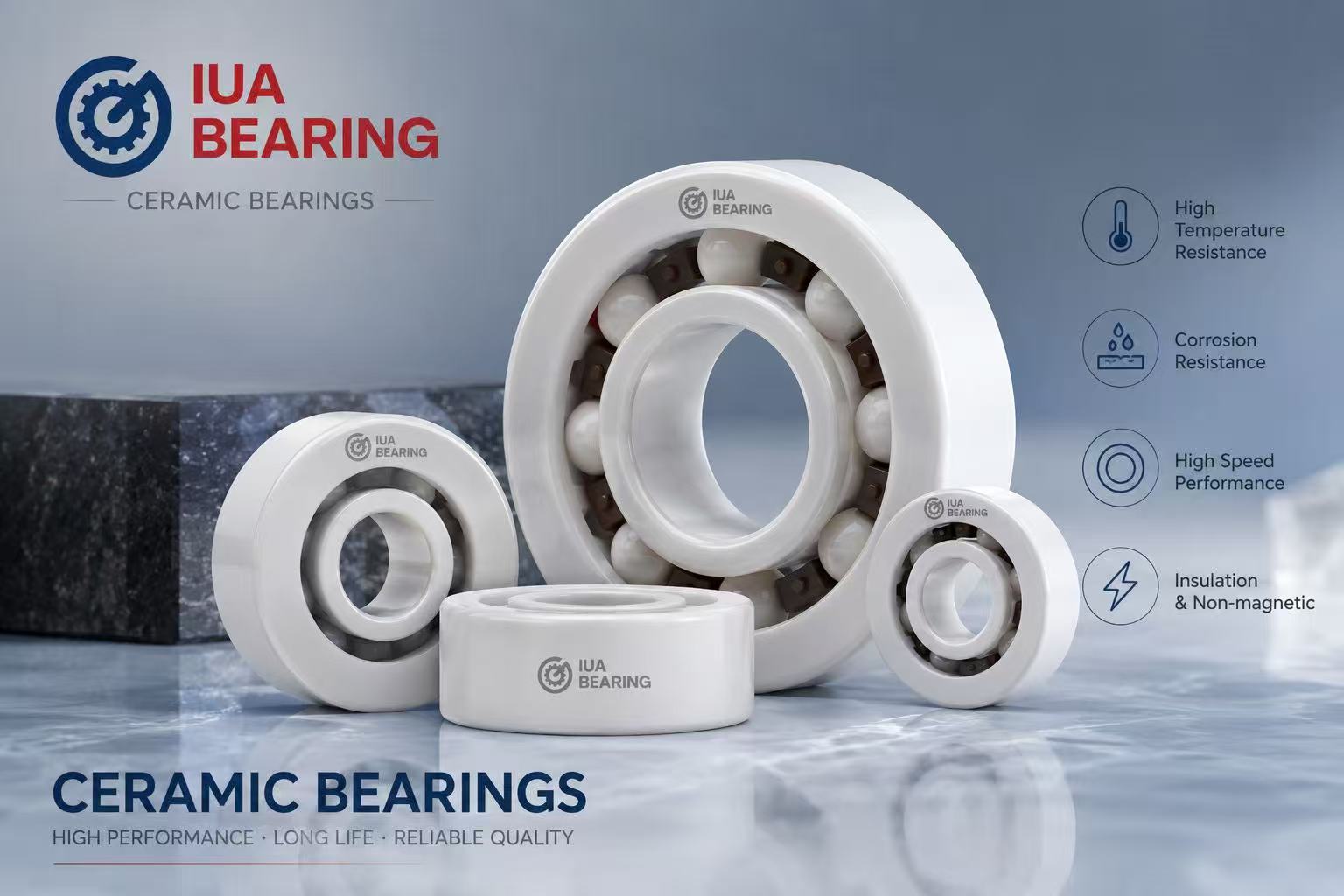
Advanced ceramics and hybrid materials come into play when the working environment exceeds the capabilities of conventional bearing steels (such as GCr15).
All-ceramic bearings: Both inner and outer rings and rolling elements are made of silicon nitride (Si₃N₄) or zirconium oxide (ZrO₂). They possess absolute corrosion resistance, complete electrical insulation, high temperature resistance (according to CeramTec's material data, bearing-grade Si₃N₄ can operate continuously at approximately 800°C ), and self-lubricating potential. They are used in semiconductor manufacturing equipment, ultra-high-speed spindles, and strong magnetic field environments.
Hybrid ceramic bearings: Steel inner and outer rings are fitted with silicon nitride ceramic balls. The density of Si₃N₄ is approximately 3.2 g/cm³ , only about 40% of that of bearing steel (approximately 7.85 g/cm³) . Therefore, the lighter ceramic balls significantly reduce centrifugal force and rolling element slippage during high-speed rotation, while also providing natural electrical insulation. Commonly found in high-performance electric spindles and electric vehicle drive motors.
Ceramic bearings are no longer laboratory products, but standard equipment in many extreme operating conditions.
8. Magnetic levitation bearing
Magnetic bearings use a controllable electromagnetic or permanent magnetic field to levitate a rotating shaft, achieving zero mechanical contact . Active magnetic bearings (AMBs) maintain the shaft's position with micron-level precision by adjusting the electromagnet current in real time through sensors and feedback controllers.
Advantages: Frictionless, no lubrication required, can achieve extremely high speeds, suitable for vacuum and clean environments.
Limitations: High cost, complex control system, and the need to be equipped with a spare (landing) bearing to deal with power outages.
Applications: High-speed turbine machinery, flywheel energy storage systems, semiconductor manufacturing equipment, and medical centrifuges.
9. Fluid film bearings (gas bearings)
Fluid film bearings are a special branch of sliding bearings where the separation medium is a gas (usually air or nitrogen) instead of oil. This completely eliminates the risk of contamination and allows operation at extremely high speeds. A closely related type of self-excited gas bearing is the foil bearing , commonly used in aircraft air circulation systems.
It is used in precision machine tool spindles, dental handpieces, and high-speed turbomolecular pumps, that is, any application where oil contamination is not allowed and the rotational speed is extremely high.
10. Jewel bearings
Gemstone bearings made of synthetic sapphire or ruby are commonly used in precision instruments such as mechanical watches, measuring instruments, and scientific equipment . These materials have extremely low and stable coefficients of friction, excellent hardness, and dimensional stability.
The balance wheel of the watch operates from a jewel bearing that measures only a fraction of a millimeter. The use of jewels is not for luxury, but rather for the functional requirements of precision engineering.
11. Mounted bearings (bearing units)
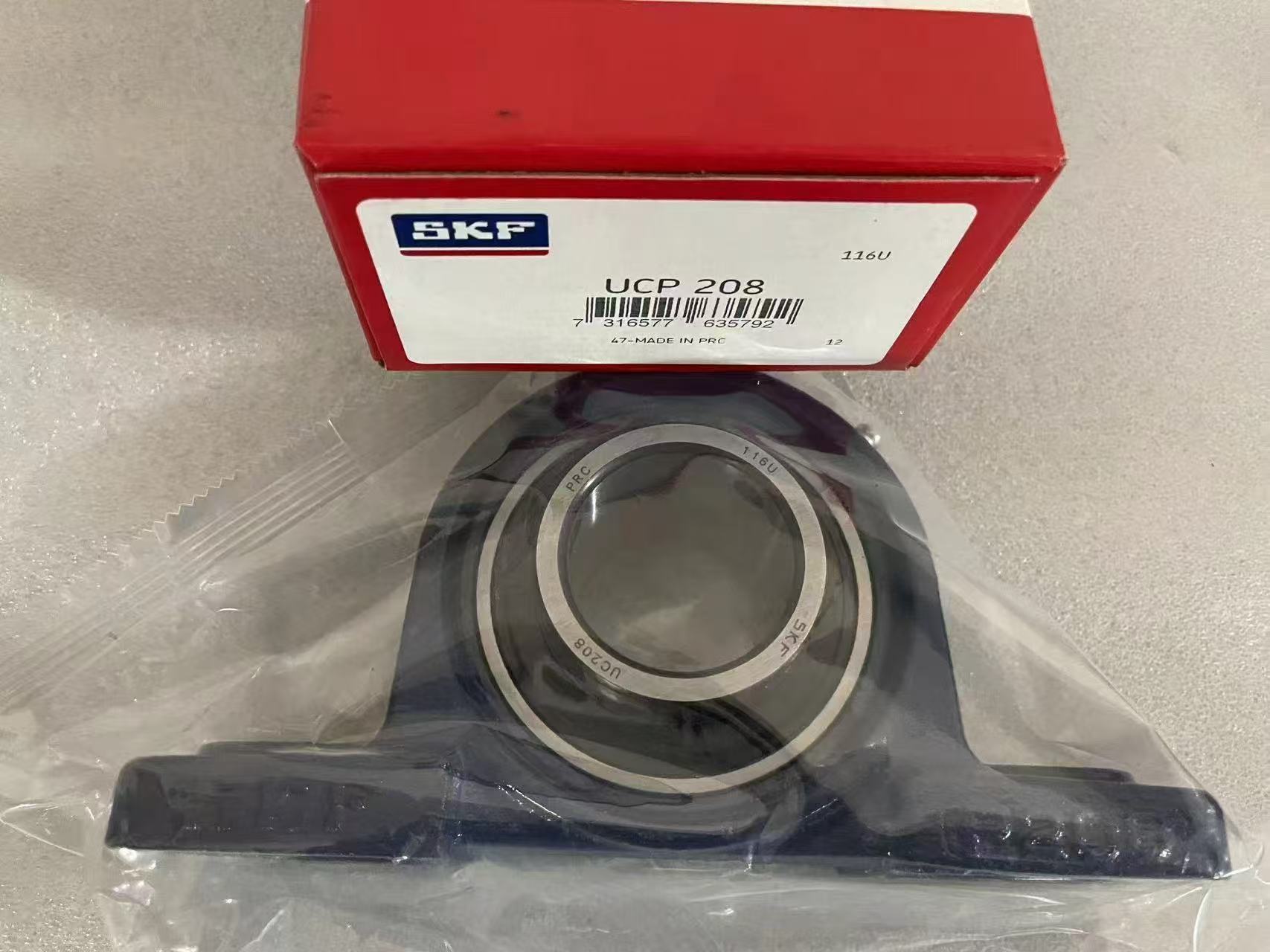
Mounted bearings are not a new contact mechanism, but rather modular units that pre-assemble rolling bearings (mostly deep groove ball bearings or self-aligning ball/roller bearings) into cast iron, stamped steel, or stainless steel housings. They can be directly bolted to a frame without the need for separately machining bearing housing holes.
Common types include: vertical flange (P-type), diamond flange, and square flange. They are widely used in agricultural conveying machinery, food processing equipment, and general industrial transmission systems. Their biggest advantages are "ready to use" and convenient maintenance.
Bearing Types Overview
The table below compares and summarizes 11 major categories of bearings based on the four most critical selection dimensions (load direction, maximum load, speed range, and misalignment adaptability).
| bearing type | Load direction | Maximum load | Speed range | Misalignment |
|---|---|---|---|---|
| Deep groove ball bearings | Radial + Light Axial | medium | high | Low |
| Angular contact ball bearings | Radial + Axial Combination | Medium to High | high | Low |
| Self-aligning ball bearings | Radial + Light Axial | medium | high | high |
| Cylindrical roller bearings | radial only | high | high | Low |
| tapered roller bearings | Radial + Axial Combination | high | medium | Low |
| Self-aligning roller bearings | Radial + Axial | Extremely high | medium | high |
| needle roller bearings | radial only | medium | medium | Extremely low |
| Sliding bearing (dynamic pressure) | radial or axial | Extremely high | High (continuous operation) | Low |
| Spherical plain bearing | Radial + Oscillating | high | Suitable only for swinging | Extremely high |
| Magnetic levitation bearing | radial or axial | Low to medium | Extremely high | Active control |
| Jewel bearings | Radial (extremely light) | Extremely low | medium | Low |
How to choose the right bearing type
Bearing selection is a systematic engineering decision-making process, based on the L10 life formula in ISO 281:2007 : the expected service life of a ball bearing is inversely proportional to the cube of the equivalent dynamic load, while that of a roller bearing is inversely proportional to the 10/3 power. A total of eight design parameters jointly determine the final bearing selection.
| parameter | Questions that need to be answered |
|---|---|
| Load direction | Pure radial? Pure axial? Combined load? Or linear reciprocating? |
| Load size | Light load, medium load, or heavy load? Are there any impact loads? |
| rotational speed | Low, medium, or high RPM? Or just intermittent oscillation? |
| Not in the middle | Is it possible that there is shaft deflection, installation error, or structural deformation? |
| lubricating | What type of lubricant and supply method can be used? |
| space | Are the radial or axial dimensions limited? |
| environment | What are the requirements for temperature, chemical corrosion, electrical insulation, vacuum, or cleanroom? |
| Service life | What is the required operating life in hours? What level of reliability is required? |
General rule of thumb:
High speed, light to medium load → Ball bearings
Heavy load, medium speed → Cylindrical roller bearings or self-aligning roller bearings
Combined radial and axial loads → tapered roller bearings or angular contact ball bearings
Precision linear motion → Linear bearings (ball bearings or sliding bearings)
Low-frequency oscillation and angle compensation → Spherical bearing
Extremely heavy radial loads and sufficient continuous operating speed → hydrodynamic sliding bearings (hydrostatic auxiliary bearings can be added for frequent start-stop applications).
Extremely clean, high-speed, or vacuum → gas bearings or magnetic levitation bearings
High temperature, corrosive or electrically insulating environments → ceramic bearings or hybrid ceramic bearings
Precision Instruments → Jewel Bearings
Simplified installation and maintenance → Mounted bearing unit
Bearing life and internal clearance
In addition to the standard selection specifications, there are two parameters that are just as important as "type selection" but are often overlooked: bearing life and internal clearance/preload .
The life of rolling bearings is typically expressed as L10 basic rated life , which is the operating life that bearings in the same batch can achieve or exceed before fatigue failure under 90% reliability, as defined in ISO 281:2007 . L10 life is inversely proportional to the cube (ball bearings) or the 10/3 power (roller bearings) of the equivalent dynamic load. This difference fundamentally explains why heavy-load applications necessitate a switch from ball bearings to roller bearings: doubling the load reduces the life of ball bearings to 1/8 of its original value, while that of roller bearings drops to only about 1/10.
Internal clearance and preload directly determine the bearing's stiffness, rotational accuracy, and heat generation level. In high-precision applications such as machine tool spindles, these two parameters must be carefully matched. If the clearance is too small, the bearing will seize due to thermal expansion; if the clearance is too large, the runout will compromise accuracy.
Frequently Asked Questions
Q: What is the most common type of bearing?
Deep groove ball bearings are the most produced type of bearing globally. They can simultaneously withstand radial and a certain amount of axial loads, making them suitable for high speeds. Their low cost and compact design make them the default choice for a wide range of applications, from small electric motors to laptop cooling fans. Their dimensions are standardized by ISO 15 .
Q: What is the difference between ball bearings and roller bearings?
The fundamental difference lies in the contact geometry. Ball bearings have point contact with the raceway, resulting in extremely low friction and excellent speed performance, but limited load-carrying capacity. Roller bearings have line contact, distributing the load over a larger area, significantly increasing load-carrying capacity, but with relatively higher friction and typically lower limiting speeds.
Q: Can a bearing withstand both radial and axial loads at the same time?
Yes, many bearing types are designed for combined loads. Angular contact ball bearings, tapered roller bearings, and deep groove ball bearings can all withstand radial and axial loads simultaneously, but their relative load capacities differ. Pure radial bearings (such as some cylindrical roller bearings) and pure thrust bearings should not be subjected to significant loads in directions other than their design direction.
Q: Do all bearings require lubrication?
Most require lubrication, but there are exceptions. Self-lubricating sliding bearings and spherical plain bearings made of sintered bronze or PTFE composites carry their own lubricating medium; magnetic levitation bearings and gas bearings do not require lubricant at all. However, for the vast majority of rolling bearings, adequate lubrication (whether grease or oil) is necessary to achieve the L10 rated service life.
Conclusion
Among the 11 major categories of bearings mentioned above, each embodies specific engineering trade-offs: seeking the optimal combination between load capacity, speed, friction, misalignment tolerance, and operating environment . Choosing the wrong type will cause the machine to fail, typically at 10% of its rated life, as defined by the L10 standard; choosing the right type will allow the machine to quietly outperform all its surrounding components.
Each type of bearing embodies decades of engineering experience, and the differences between them are by no means arbitrary. A deep understanding of these differences (contact geometry, load direction, motion, lubrication mechanism, materials science, and speed limits) will provide you with a more solid professional foundation when analyzing, selecting, and even appreciating these mechanisms that keep the world running.
IUA BEARING
[Phone]+86 18554001053
[Email] iuabearing@gmail.com
[Website] iuabearing.com
 WhatsApp
 Email
Email
 0086 18554001053